 Buda Castle Buda Castle, Budapest
Every October, Buda Castle Budapest steps back in time for its annual Medieval Day, where history comes alive with knights, kings and fantastic beasts. This year, the spotlight falls on King Sigismund of Hungary – one of the most powerful monarchs of the late Middle Ages – and the dragons that filled both folklore and royal imagination.
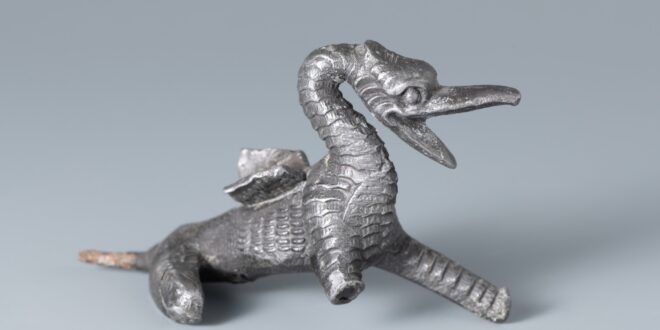
Among the most intriguing discoveries linked to this theme is a small yet fascinating object: a lead basilisk unearthed during excavations at the Royal Palace in the 1950s. Archaeologists believe it may once have decorated a liturgical item donated to the royal chapel. In medieval Europe, dragons were not merely mythical creatures for children’s tales. They were fearsome symbols of evil, greed and destruction, and the basilisk was one of the most terrifying of all.
Descriptions of the basilisk vary – some said it had two, four or even eight legs, the body of a lizard, the wings of a bat, and the beak of a rooster. Its breath was poisonous, and its deadly gaze was said to kill instantly. These monsters guarded treasures, stole sheep, abducted princesses, and terrorised entire regions. Yet in legend, brave knights or cunning heroes always found a way to outwit or defeat them, often becoming celebrated figures in the process.
The presence of the basilisk motif in Buda Castle reminds us that dragons and other creatures of imagination were very much part of the medieval world. They were painted into manuscripts, carved into stone, and woven into the stories that shaped medieval culture. By celebrating these legends during the Castle’s Medieval Day, visitors can not only enjoy the pageantry of re-enactments, markets and performances but also connect with the deeper symbolic world of Hungary’s royal past.
So, if you visit Budapest in October, don’t miss this remarkable event. Walk through the courtyards where kings once ruled, discover the legends they cherished, and perhaps even come face to face with a “dragon” or two. The medieval spirit of Buda Castle Budapest is waiting to be rediscovered.
Based on the writings of Judit Benda. Excavating archaeologist: László Gerevich. Location: Budapest I, Castle District, Royal Palace. Photography: Ákos Keppel.