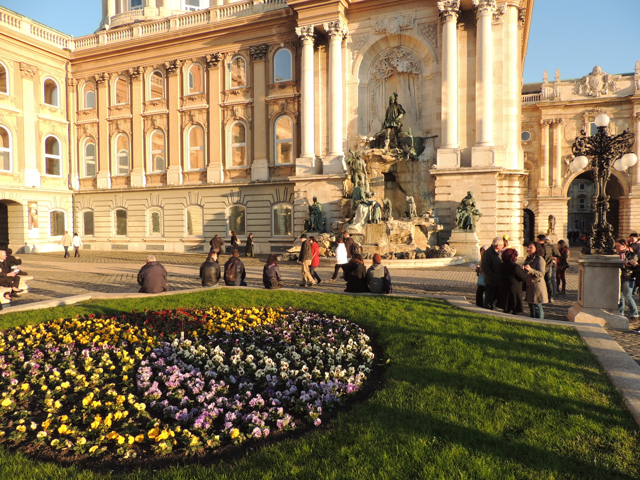
 Buda Castle Buda Castle, Budapest
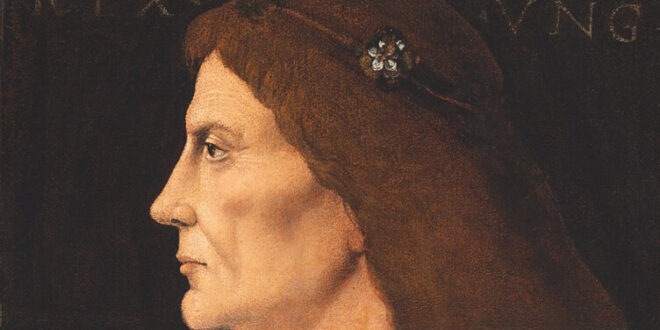
Few figures define the golden age of the Hungarian Kingdom and Buda Castle quite like Matthias Corvinus, known across Europe as the Raven King. Sounds like a Game of Thrones character? Agreed. If Buda Castle had been a season of Game of Thrones, Matthias Corvinus would’ve been the clever “not-quite-royal” kid who grabbed the crown anyway, terrified Europe with his Black Army, redecorated the Royal Palace in full Renaissance glam — and trained his ravens better than anyone in Westeros.
In the second half of the 15th century (1458–1490), while much of Central Europe was shaped by dynastic struggles and military rivalries, Matthias transformed the Royal Palace of Buda into a Renaissance powerhouse. His reign blended intellect, ambition, culture and warfare — leaving a legacy that still echoes through the courtyards and towers of the Castle District today.
Royal Palace of Buda Castle: The Renaissance Vision of King Matthias
Under King Matthias, especially after his marriage in 1476 to Beatrix of Naples, the Royal Palace at Buda Castle was no longer merely a fortified residence — it became a Renaissance court inspired by Italy.
Basically, while other castles were busy perfecting draughty towers and gloomy dungeons, Matthias decided what Buda really needed was marble, manuscripts and a serious Italian makeover. Italian architects, sculptors and scholars were invited to Hungary, and one of the most influential figures at court was the Italian humanist Antonio Bonfini, who later chronicled Matthias’ reign in glowing Renaissance style.
Loggias, ornamental courtyards and refined decorative programmes reshaped the medieval stronghold into a cultural centre where diplomacy, art and humanism flourished. At a time when Florence and Rome led artistic innovation, Buda stood confidently among them.
Why the Raven King? The Raven Symbol of King Matthias at Buda Castle
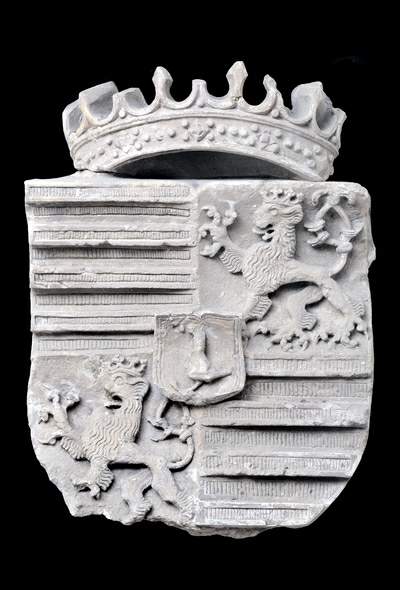
Although Matthias came from the powerful Hunyadi family, he was not born into a reigning royal dynasty. His election as king in 1458 — at just fifteen years old — disrupted traditional hereditary expectations, provoking resistance from both Hungarian magnates and foreign rulers who believed the crown should pass through established royal bloodlines rather than to the son of a military governor. According to legend, a raven once stole a golden ring from the young Matthias (or, in another version, from his father, John Hunyadi). The bird was shot down, and the ring recovered — turning the raven with the ring into the enduring emblem of the Hunyadi family. Whether myth or medieval PR brilliance, the image stuck. When Matthias Corvinus rose from nobleman to king, that raven became more than decoration. As he was not born into an ancient royal dynasty, symbols mattered. The raven with the golden ring suggested destiny, divine favour and rightful rule — a visual statement in a Europe where bloodlines determined power. A medieval reminder that if a raven steals your ring, you might as well turn it into a royal logo and call it destiny.
Ravens in the Buda Castle
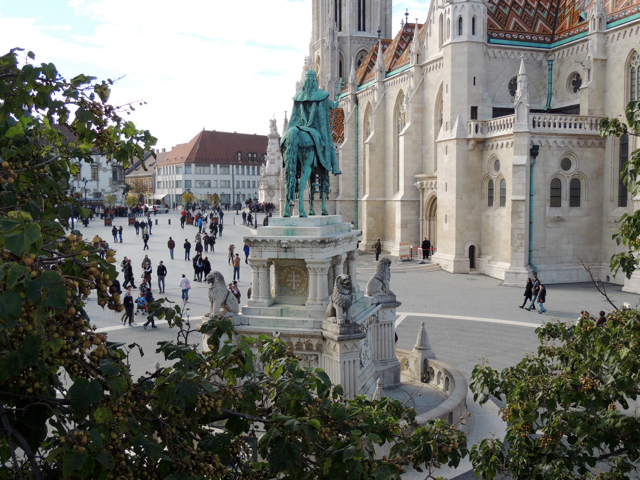
You can still spot the raven across Buda Castle, especially at Matthias Church, where the colourful tiled roof carries the black raven with the ring in its beak, while the replica of the Hunyadi coat of arms is seen on the facade (the original is inside the church). Another place where you can see the raven is the wrought iron black gate, called the Beggars’ Gate: the raven sits atop a spider web-shaped large gate, opening the way to the castle grounds and open courts of the Royal Palace. The bird became a badge of legitimacy, a reminder that even without inherited royal blood, the Raven King had claimed his crown — and made Buda one of Europe’s most brilliant courts where justice prevails. Have you spotted raven motifs elsewhere across the Buda Castle district? Share what you found. Let us know in the comments, or send your photos to us.
King Matthias and the Corvina Library in the Royal Palace
One of the most extraordinary achievements of King Matthias at the Royal Palace of Buda Castle was the creation of the Bibliotheca Corviniana. This “Corvina Library” ranked among the largest and most important collections in 15th-century Europe. Lavishly illuminated manuscripts, scientific works and classical texts filled its shelves, reflecting Matthias’ deep commitment to humanism. At a time when printed books were still rare, this royal library symbolised intellectual prestige and positioned Buda as a centre of scholarship. In other words, while other kings were busy collecting crowns, Matthias was collecting books — and probably shushing anyone who tried to start a medieval sword fight in his library.
War and Power: How King Matthias Secured Buda Castle
King Matthias did not inherit an uncontested throne. As a member of the powerful Hunyadi noble family rather than a traditional royal dynasty, he faced resistance both within Hungary and from external powers such as the Holy Roman Empire, Bohemia and Poland. Through military reform — including the establishment of the feared Black Army — he secured his grip on Buda Castle and expanded Hungarian influence. His rule balanced diplomacy and force, intellect and strategy. Which basically means he could quote classical philosophy in the morning and send a professional army marching by lunchtime — not a bad survival plan in 15th-century Europe. However, King Matthias didn’t just defend Hungary — he conquered Vienna in 1485 and made it one of his residences until his death. How and why did he die? Read about King Matthias’s death here.
The Black Army of the Raven King
While most medieval kings relied on temporary noble levies who arrived with their own banners and left when it suited them, only a few forward-thinking rulers — like the kings of France or the Ottoman sultans — began building permanent royal forces. Matthias joined that small circle of military innovators: his feared Black Army was not a feudal host but one of Europe’s earliest professional standing armies — paid, disciplined and loyal directly to the crown.
The Balkan Campaigns
While much of Central Europe struggled to contain Ottoman expansion, Matthias used his reformed army not only to secure his grip on Buda Castle but also to reinforce Hungary’s southern frontier against the advancing empire. As the main defensive buffer between Western Europe and the Ottoman Empire, Hungary carried immense strategic weight, and Matthias continued his father John Hunyadi’s anti-Ottoman legacy by strengthening key southern fortresses — including the Nándorfehérvár (Belgrade) defensive line — launching campaigns into Bosnia and Serbia, and preventing large-scale Ottoman penetration during his reign.
The Lasting Legacy of the Raven King in Buda Castle
Today, when you walk through the Royal Palace courtyards of Buda Castle or admire the skyline crowned by Matthias Church, you are encountering the enduring imprint of King Matthias Corvinus. The raven emblem, the Renaissance vision and the memory of a scholar-warrior king remain embedded in the stone and symbolism of the district. The Raven King did more than rule — he reshaped Buda Castle into a stage worthy of European history. Proof that sometimes the clever raven really does outlive the crown — especially when it’s carved into half the rooftops of Buda Castle.